
- 80%
Clinical Case Examples
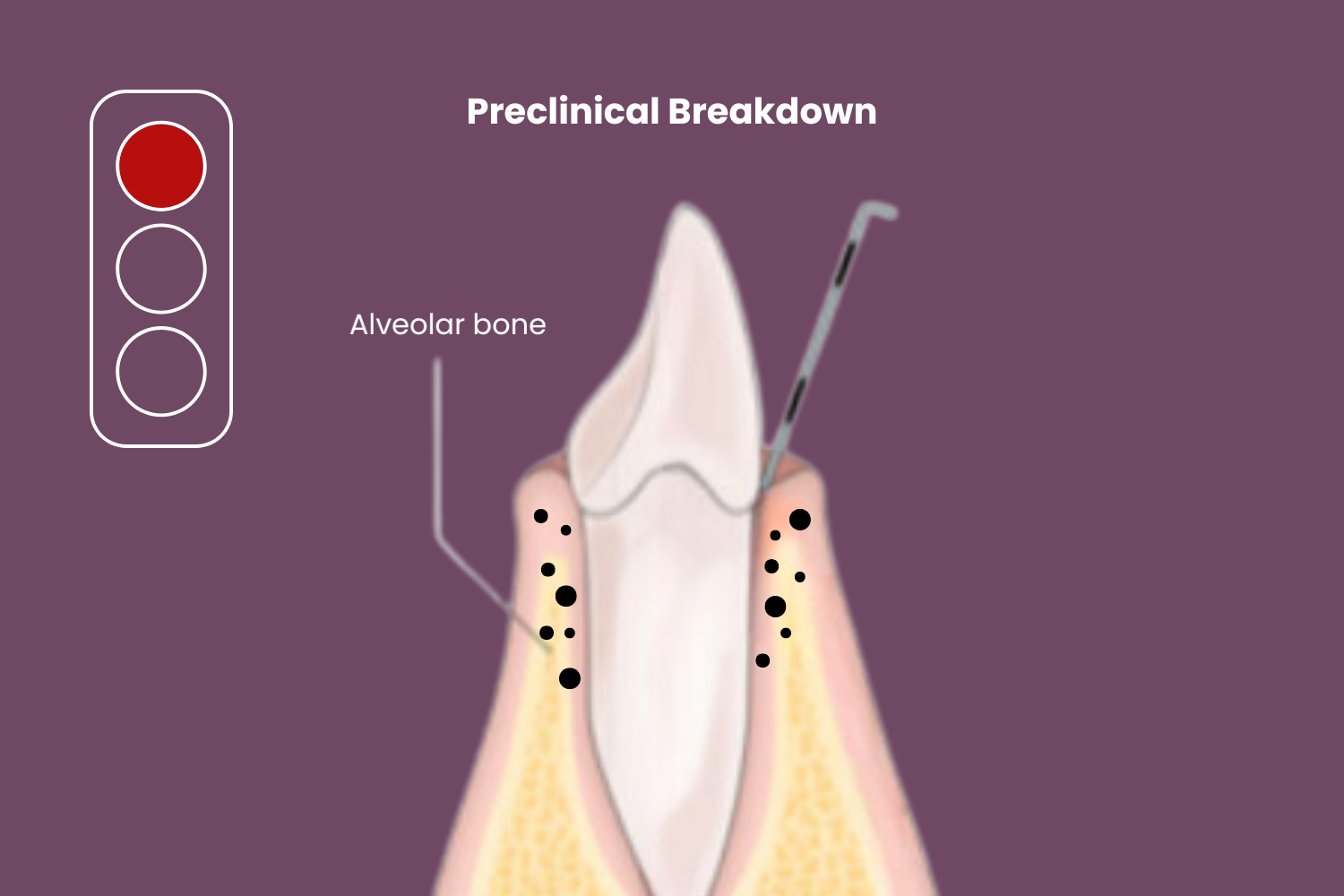
1. CLINICAL CASE: PERIODONTAL HEALTH WITH A VERY HIGH ORAL FITNESS SCORE WITHOUT SYSTEMIC DISEASE
Patient JC presented for a routine prophylaxis. Clinical and radiographic examinations were uneventful. The patient had not had a prophylaxis in 2.5 years because of the COVID-19 pandemic. The Oral Fitness Score was 127. Prophylaxis was performed, and oral hygiene techniques were reviewed. The patient returned in 2 months for a retest, and his Oral Fitness Score was 11. The patient was directed to resume his regular recare prophylaxis frequency.
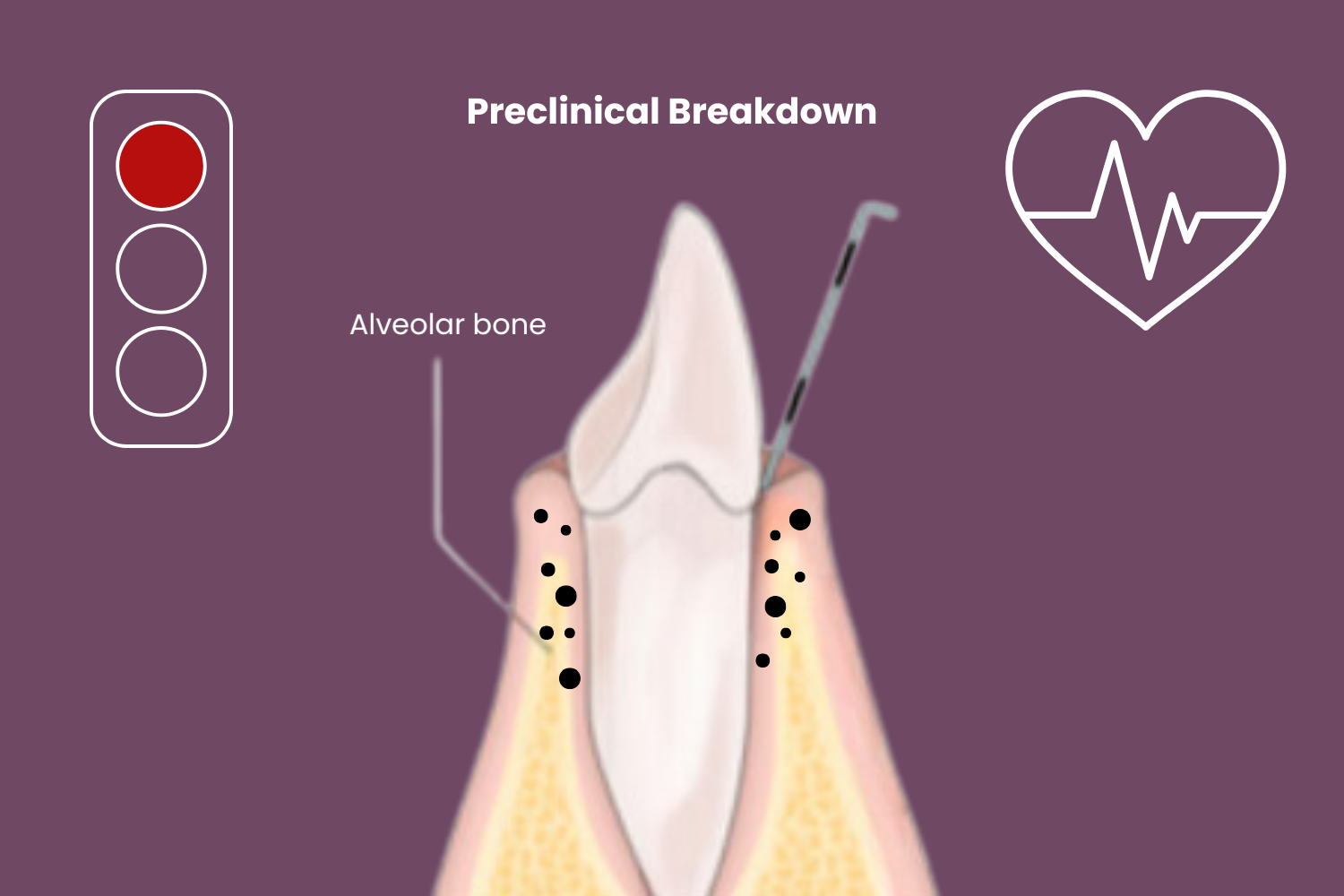
2. CLINICAL CASE: PERIODONTAL HEALTH WITH A VERY HIGH ORAL FITNESS SCORE WITH OTHER SYSTEMIC DISEASES
Patient TM presented for routine 6-month prophylaxis. Before seeing the hygienist, an assistant administered the OralFitnessCheck and reported an Oral Fitness Score of 204. Clinical findings were generally in the healthy range, and the patient’s oral hygiene was determined to be good. The patient reported a history of diabetes in the medical history form. Prophylaxis was performed, and oral hygiene techniques were reviewed. The patient was then advised to shorten the recare frequency to 3 months and then be retested.
Three months later, at the next visit, the Oral Fitness Score was 198. Oral hygiene was still good, and gingival tissues exhibited a healthy condition. The patient was then referred to their physician with a letter from the practice explaining the Oral Fitness test, the result obtained, and requesting an examination. The physician reported that the HbA1c level was 6.9, and treatment ensued. When the patient returned for a subsequent prophylaxis, the Oral Fitness Score was 15.
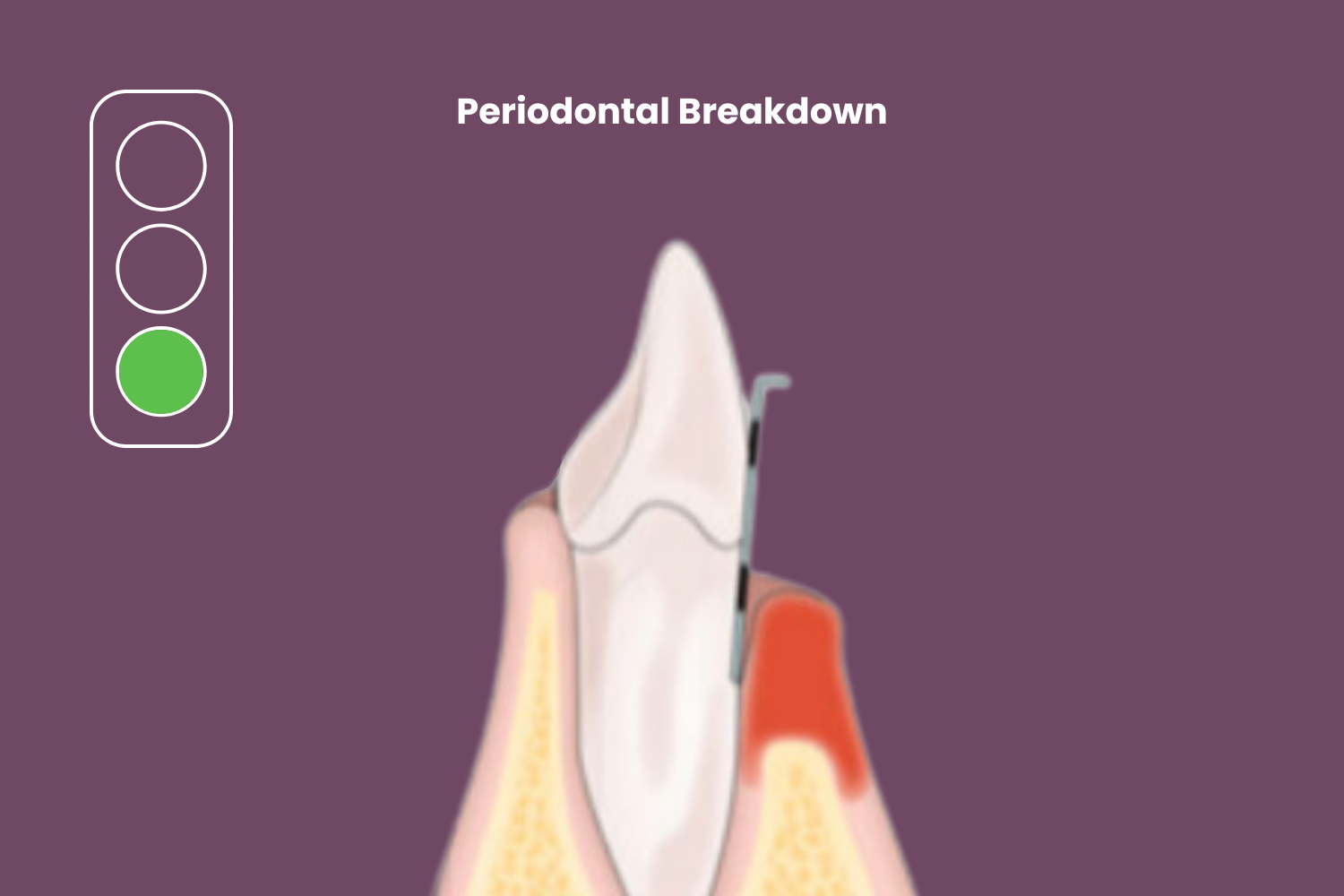
3. CLINICAL CASE: PERIODONTAL DISEASE WITH A LOW ORAL FITNESS SCORE
Patient RJ presented with generalized 5- 8 mm pocketing and approximately one-third generalized bone loss, especially in the posterior regions, with moderate furcation involvements and minimal mobility. Bleeding was evident upon probing, especially in the deeper pockets. The patient was also advised that the Oral Fitness Score was 16. After explaining the episodic nature of periodontal disease and that treatment was necessary to eliminate or reduce pocketing so proper daily maintenance could be performed, this was an excellent time to treat because of the remission of the active breakdown process. The patient accepted treatment. Treatment consisted of scaling and root planning followed by some surgical pocket elimination. Following treatment, oral hygiene was good, and the patient entered a 3-month recare program. RJ had an Oral Fitness Score below 10 at his first post-treatment recare appointment.
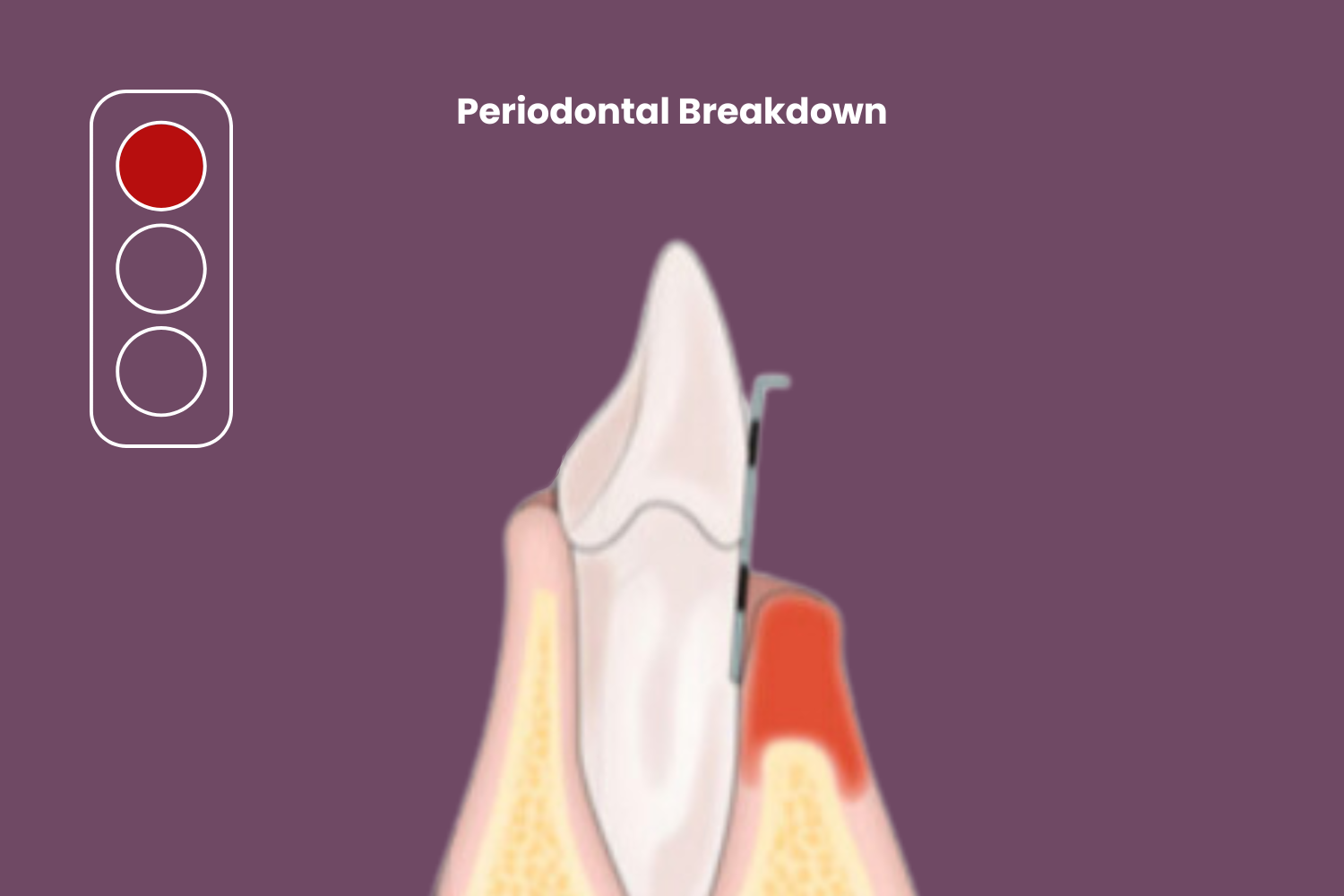
4. CLINICAL CASE: PERIODONTAL DISEASE WITH A HIGH ORAL FITNESS SCORE
Patient NS presented as a new patient. The assistant performed the OralFitnessCheck upon seating the patient. The Oral Fitness Score was 173. Clinical examination revealed moderate to severe periodontal destruction characterized by probing depths in the 6-8 mm range with radiographic evidence of significant horizontal and vertical bone loss. Mobility was mild. Extensive periodontal therapy was performed, and at the first of the regular 3-month post-treatment recare visit, the Oral Fitness Score was 11.
5. CLINICAL CASE: PERIODONTAL HEALTH WITH A LOW ORAL FITNESS SCORE
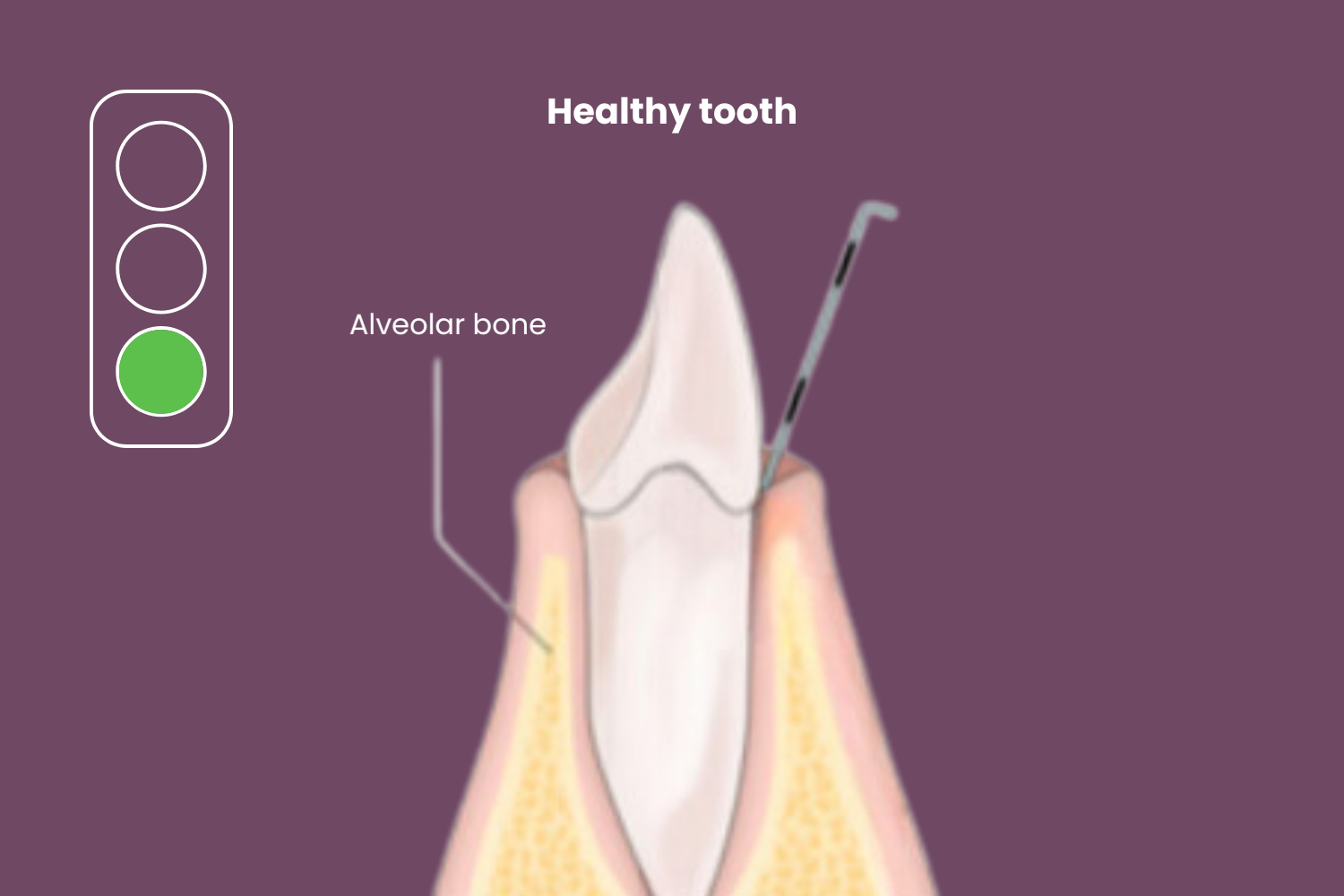
Patient CL had a clinical examination that showed healthy tissues, no inflammation, and good oral hygiene. The Oral Fitness Score was below 10. Routine prophylaxis and oral hygiene review were performed. The patient asked to be retested at the next periodic prophylaxis appointment six months later. The Oral Fitness Score then was 10.
6. CLINICAL CASE: PERIODONTAL DISEASE WITH A LOW ORAL FITNESS SCORE
Patient AB, a 22-year-old female, had a clinical examination that showed bleeding on probing, radiographic bone loss, and pocketing. The Oral Fitness Score was only 14. The patient was recently prescribed two courses of prednisone and antibiotics following third molar extractions. Routine prophylaxis and oral hygiene review were performed. The patient returned in three months for another prophylaxis and retesting. The Oral Fitness Score was 46. Subsequently, periodontal therapy was recommended and initiated.
[Clinical Note]: Prednisone blocks the inflammatory response, thus the low score. Antibiotics eliminate the bacterial challenge of periodontal disease, especially after two courses of prescription medications. So, the body is not challenged, making the aMMP-8 activity level low. Therefore, the body responded that there was no need to open the pathways for defensive cells to reach the sulcular area.
7. CLINICAL CASE: PERIODONTAL Health WITH A HIGH ORALFITNESS SCORE
Patient DY is a 44-year-old female physician. The clinical examination revealed clinically appearing periodontal health with slight interproximal bleeding. The Oral Fitness Score was 56. The patient has been routinely on a 6-month recare interval but admitted to not flossing regularly. Routine prophylaxis and oral hygiene review (flossing) were performed. The patient returned in three months for another prophylaxis and retesting. The Oral Fitness Score was then 12. The patient’s oral hygiene improved with increased attention to flossing, so she returned to the original 6-month recare interval, with ongoing testing to ensure the recare interval was correct.
8. CLINICAL CASE: PERIODONTAL HEALTH WITH UNDIAGNOSED SYSTEMIC DISEASE IN A YOUNG PATIENT
Patient TS, a 16-year-old female patient, presented for routine prophylaxis. The Oral Fitness Score was 400, and clinical examination revealed clinically healthy periodontium with minor bleeding. Oral hygiene was reviewed, prophylaxis was performed, and the interval for the next recare appointment was shortened to 3 months. At the next recare visit, clinical findings were essentially the same, and the Oral Fitness Score remained high (122). The patient was then referred to her physician with a letter from the dental practice advising the physician of the findings, information about the oral-systemic connection, and a recommendation for a comprehensive workup. The physician determined that the patient had undiagnosed diabetes, and treatment ensued. There was a moderate clinical improvement at the patient’s next recare appointment, and the Oral Fitness Score was reduced to an acceptable range (12).