
- 55%
NEW CONFOUNDING/CONFUSING RESULTS Dr. L 02-06-25
Results that do not match our clinical examination or Confounding Results (Clinically Confusing Patient Scenarios)
OralFitnessCheck results may occasionally not make clinical sense or seem incorrect or inconsistent. We refer to these as confounding results! This is because the result may differ from what we expect based on our training, experience, and understanding of the periodontal disease process.
Patient scenarios
Examples of two confounding results are:
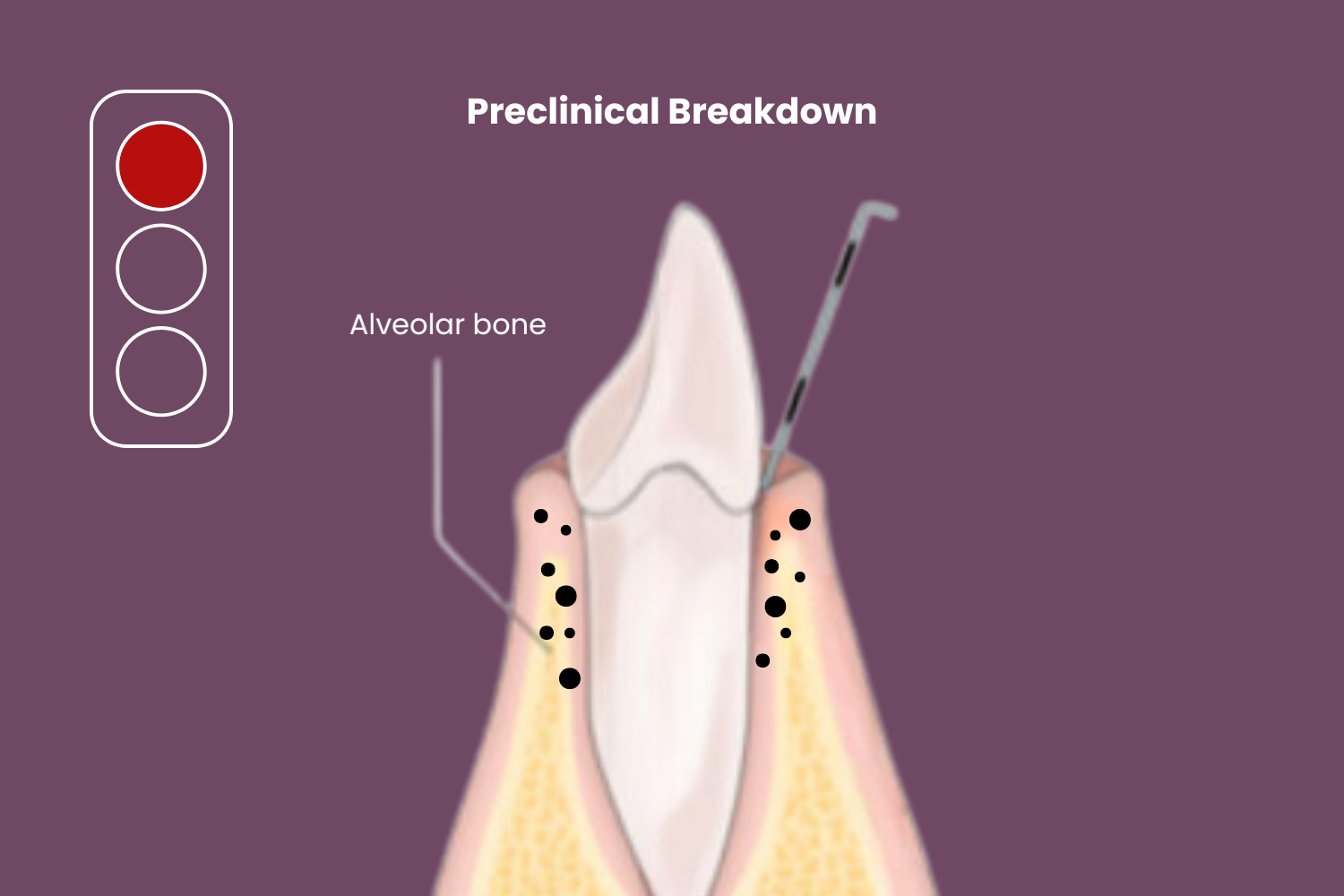
1. PERIODONTAL HEALTH WITH A HIGH ORALFITNESS SCORE
Here, activity is present on a cellular level, but we cannot see it clinically by identifying bone loss with traditional methods. The literature tells us that periodontal disease takes years to develop to the point where we can identify it clinically.1. An Oral Fitness Score now gives us, for the first time, an indication of preclinical activity.
As explained, this is because of the fluctuating nature (relapse-remission model) of periodontal breakdown activity. The OralFitnessCheck can identify preclinical breakdown that is invisible during clinical examinations. Studies (Van der Schoor 2018) show this occurs in about 40% of clinically healthy patients; therefore, more frequent prophylaxis may be indicated and more attention should be paid to home care.
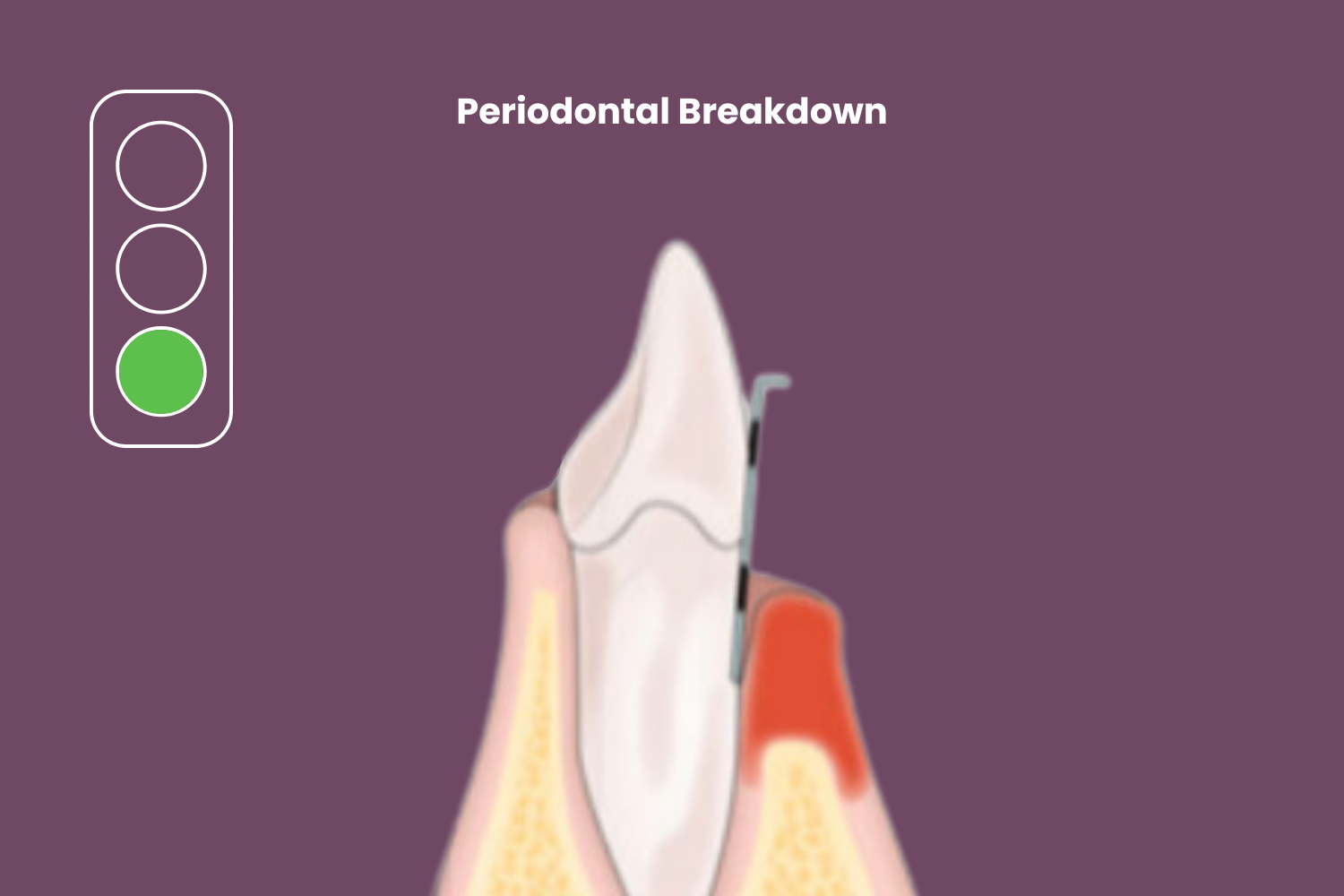
2. PERIODONTAL DISEASE WITH A LOW ORAL FITNESS SCORE
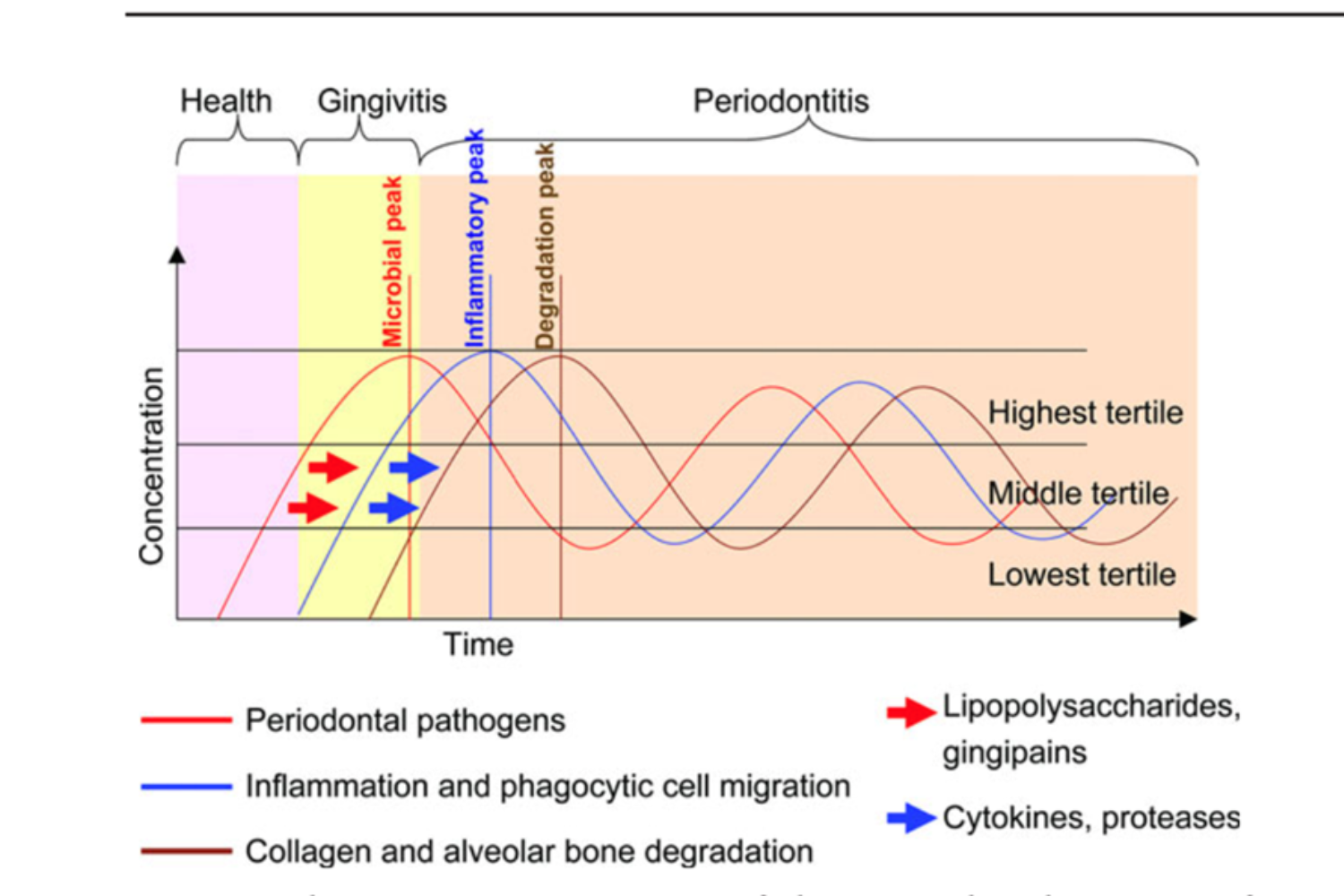
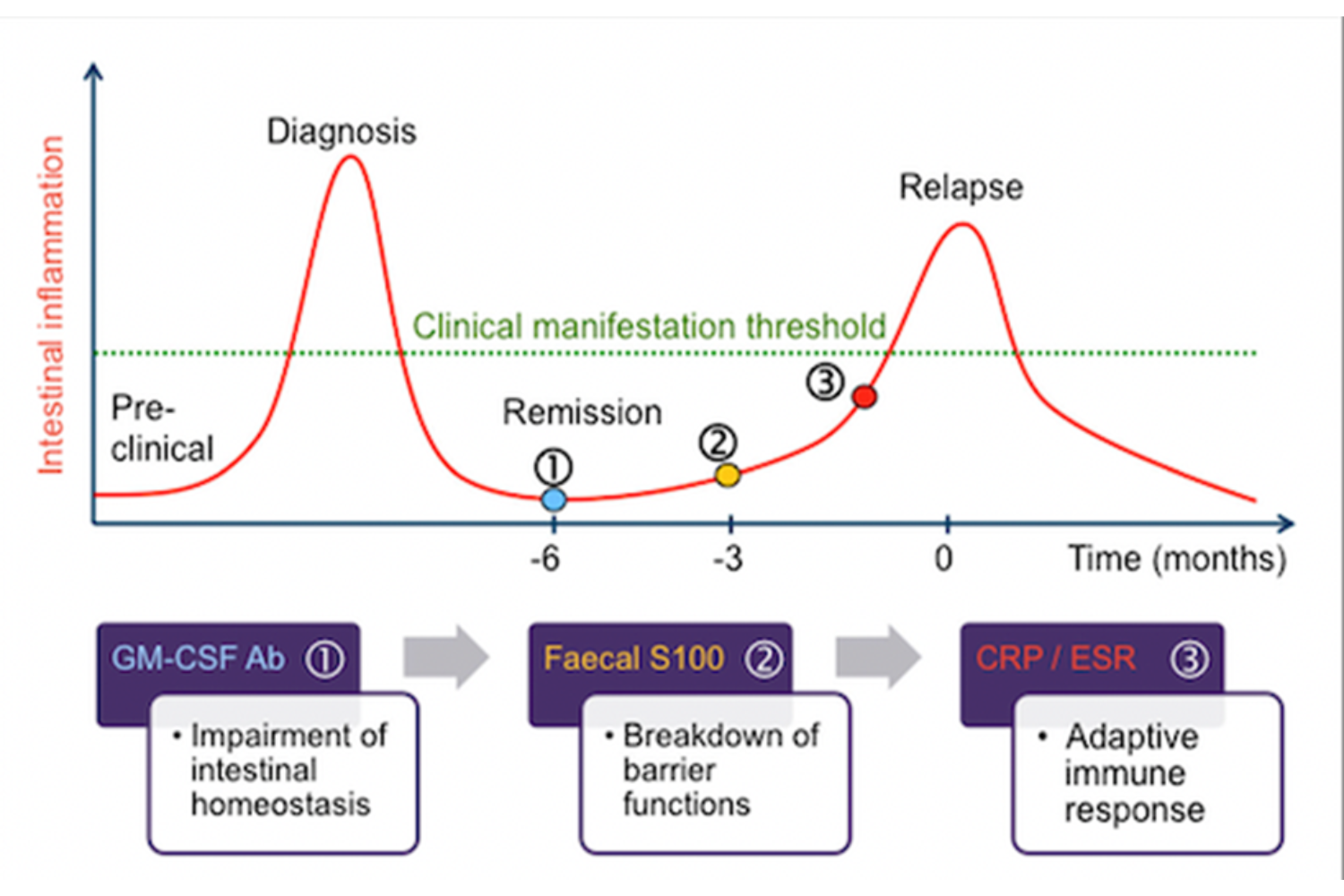
This is the most challenging result for us to comprehend as we rethink periodontal disease. The dental literature 2 tells us that periodontal breakdown depends on both the presence of bacterial plaque and the patient’s immune defense. Breakdown occurs only when the immune system defense is reduced or weakened. Since our immune health or strength can change based on various factors (stress, diet, systemic conditions), the disease progression likewise fluctuates. According to Socransky et al. 3 oral inflammation progresses with short bursts of activity (Ora Fitness Score is high ) followed by periods of remission (Oral Fitness Score is low). This fluctuating progression was confirmed at the 2018 4 World Workshop on Periodontal and Peri-Implant Disease and Conditions.
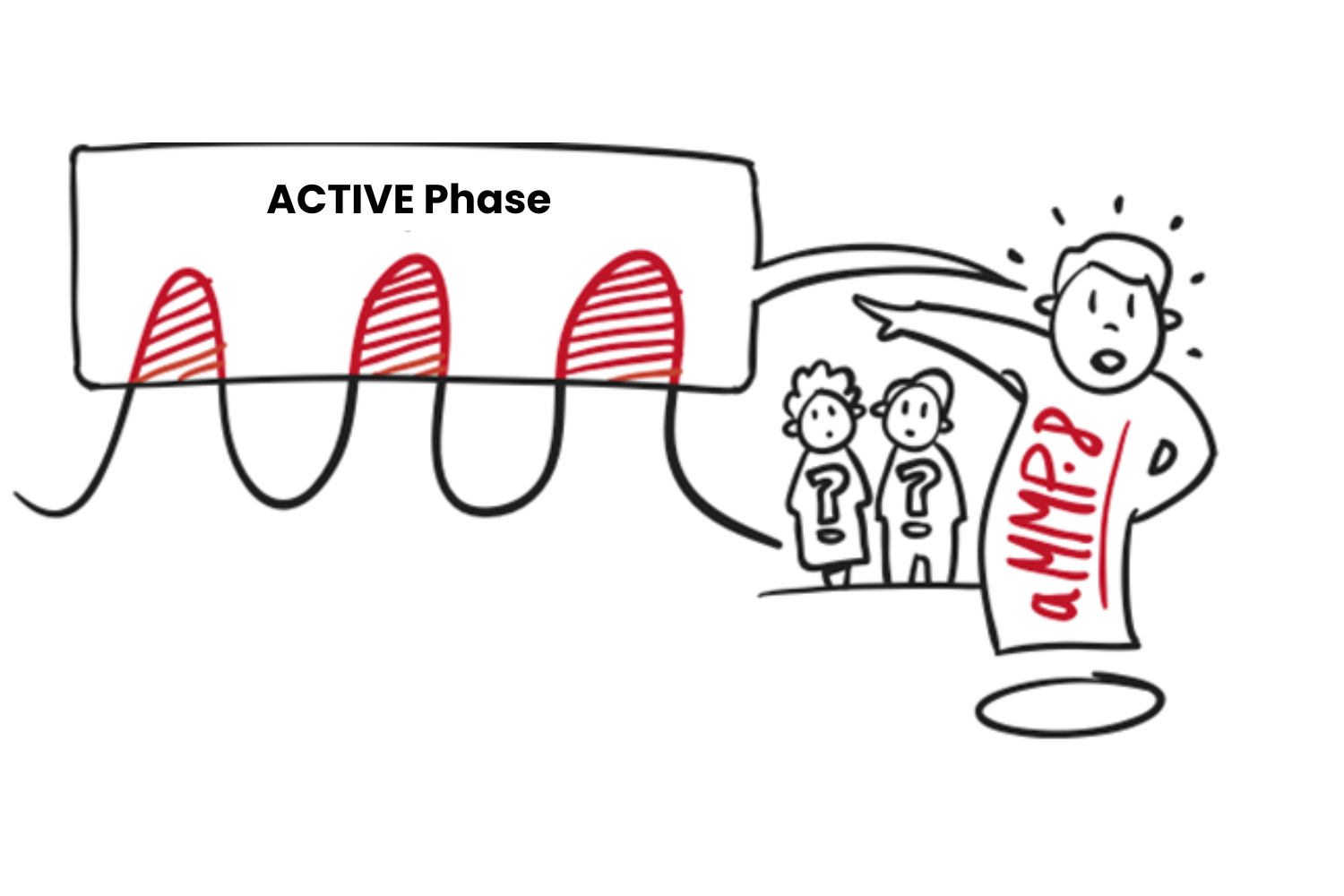
Like other chronic diseases (Rheumatoid Arthritis, Chronic Bowel Disease, Cardiovascular Disease, etc.), periodontal disease follows the “relapse-remission model.” In other words, there are periods of active breakdown (which OralFitnessCheck measures high) and periods of remission or lack of activity. However, in these periods of low activity, we would still be able to identify pockets and bone loss, and even bleeding on probing from previous activity.
Contrary to our previous understanding, periodontal disease is not a linear progressive disease. This understanding helps us understand why patients may experience unexpected rapid breakdowns.
For example, we will examine patients who clinically present with pocketing and bone loss but have a low Oral Fitness Score. This means the disease is inactive or in remission, which may last for days, weeks, or more. This confuses us as dental professionals because we have been trained (unlike physicians) to see physical destructions (caries, periodontal pockets, or bone loss) and treat it.
We are not trained to use biomarkers or fluid analysis to be more precise in the timing of our procedures, or to have an indication of a patient’s resistance or breakdown activity at the time, or to understand whether there is (breakdown, disease, or processes??) occurring that we cannot see. The treatment procedures might be the same, but we have no idea of the activity or progression of the disease and how to handle the patient after treatment (do the surgery to get rid of pockets but have to guess at the recommended recare frequency).
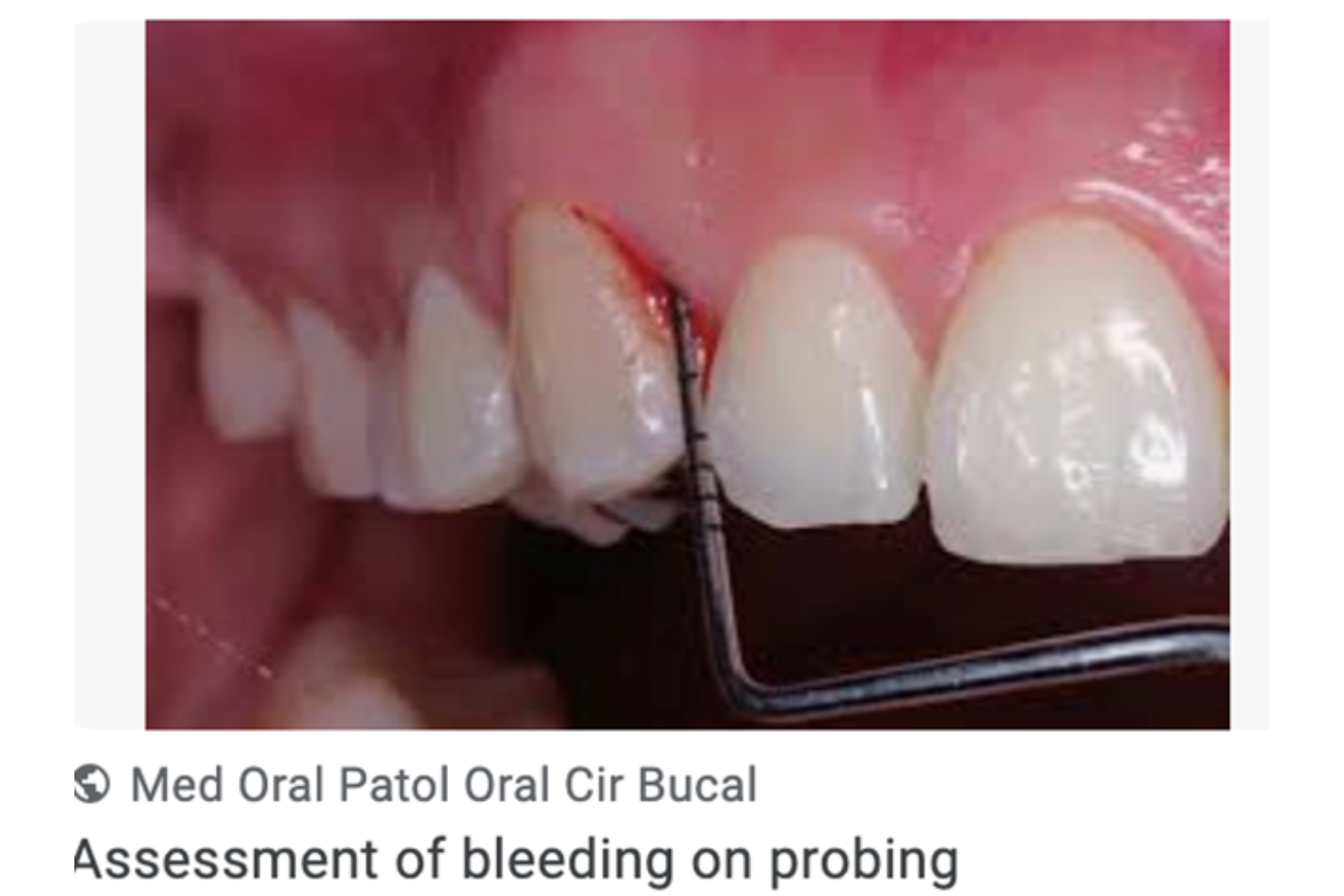
Even bleeding upon probing can still be present with a low Oral Fitness Score and, therefore, confusing! Studies show that bleeding on probing is less accurate than aMMP-8 testing (OralFitnessCheck). This is because it takes time for the ulcerated lining of the sulcular epithelium to heal (up to several weeks) after an activity burst and depends on the surface area of the subgingival inflamed lesion, which can be the size of the palm of your hand.5
- Kocher T, Meisel P, Biffar R, Völzke H, Holtfreter B. The natural history of periodontal disease-Part 2: In populations with access to dental care: The Studies of Health in Pomerania (SHIP). Periodontol 2000. 2023 Oct 25. doi: 10.1111/prd.12535.
- Loos BG, Van Dyke TE. The role of inflammation and genetics in periodontal disease. Periodontol 2000. 2020 Jun;83(1):26-39. doi: 10.1111/prd.12297. PMID: 32385877; PMCID: PMC7319430.
- Socransky : Socransky SS, Haffajee AD, Goodson JM, Lindhe J. New concepts of destructive periodontal disease. J Clin Periodontol. 1984 Jan;11(1):21-32. doi: 10.1111/j.1600-051x.1984.tb01305.x. PMID: 6582072.
- World workshop Papapanou PN, Sanz M, Buduneli N, Dietrich T, Feres M, Fine DH, Flemmig TF, Garcia R, Giannobile WV, Graziani F, Greenwell H, Herrera D, Kao RT, Kebschull M, Kinane DF, Kirkwood KL, Kocher T, Kornman KS, Kumar PS, Loos BG, Machtei E, Meng H, Mombelli A, Needleman I, Offenbacher S, Seymour GJ, Teles R, Tonetti MS. Periodontitis: Consensus report of workgroup 2 of the 2017 World Workshop on the Classification of Periodontal and Peri-Implant Diseases and Conditions. J Periodontol. 2018 Jun;89 Suppl 1:S173-S182. doi: 10.1002/JPER.17-0721. PMID: 29926951.
- Nesse W, Abbas F, van der Ploeg I, Spijkervet FK, Dijkstra PU, Vissink A. Periodontal inflamed surface area: quantifying inflammatory burden. J Clin Periodontol. 2008 Aug;35(8):668-73. doi: 10.1111/j.1600-051X.2008.01249.x. Epub 2008 Jun 28. PMID: 18564145.
Other Factors That May Affect aMMP-8 Levels:
-Some Medications Affect aMMP-8 Levels, including:
- Doxycycline/Tetracyclines
- Prednisone/Steroids (other anti-inflammatories)
- Bisphosphonates
- Chlorhexidine
- Antibiotics