
- 45%
Clinical Suggestions, Treatment Recommendations Patient Scripting
ORAL FITNESS AND CLINICAL FINDINGS
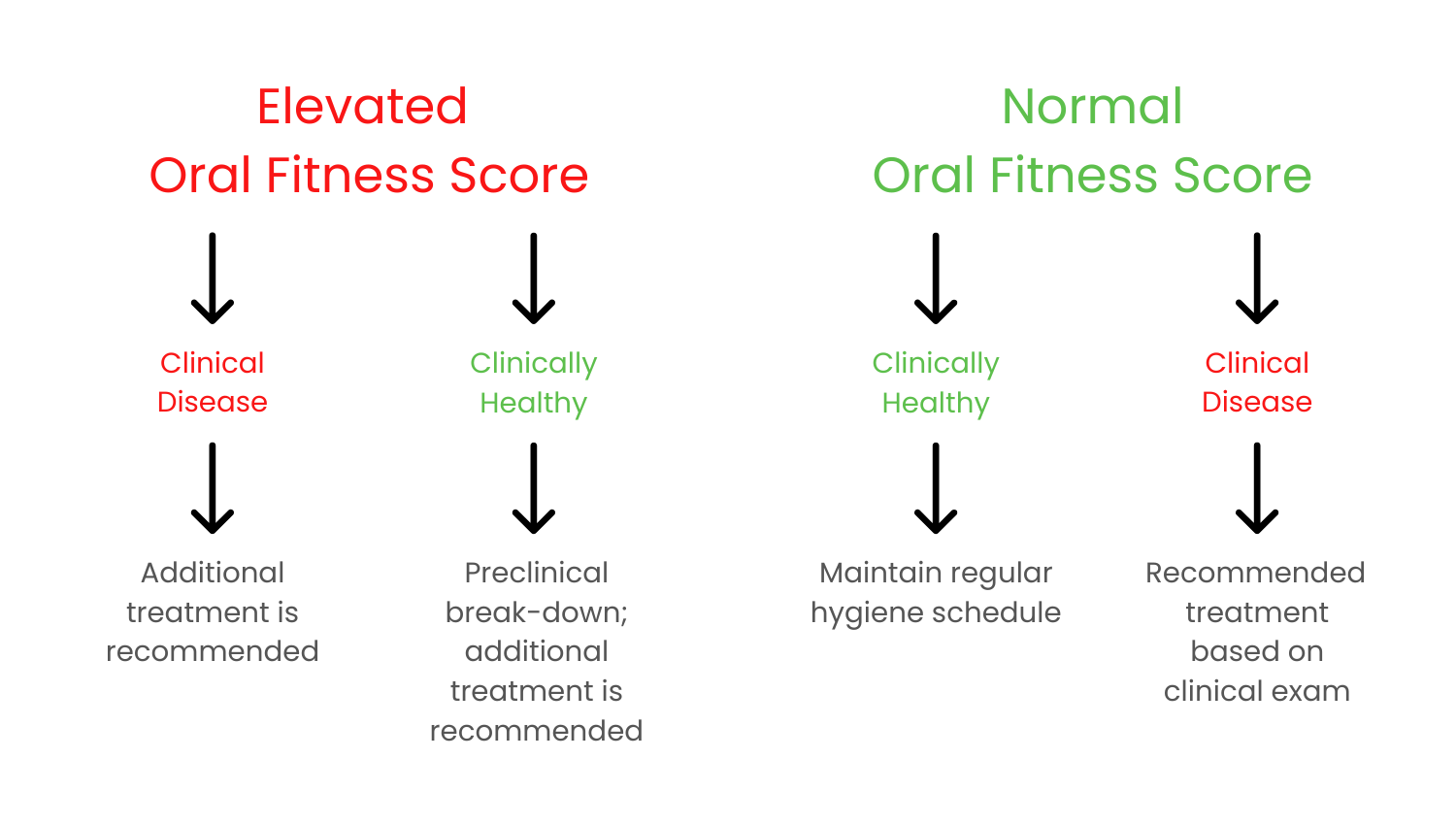
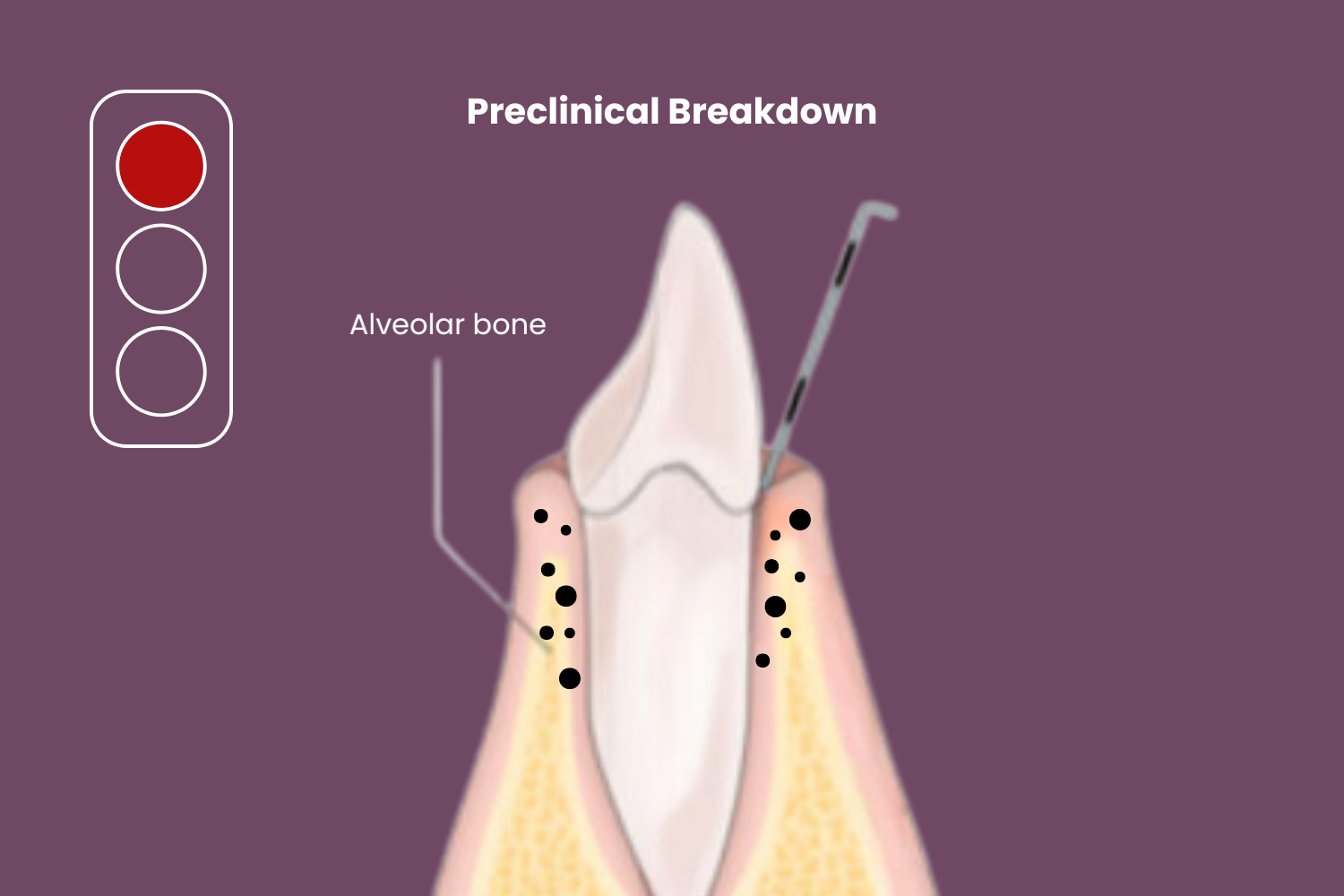
1. PERIODONTAL HEALTH WITH A HIGH ORALFITNESS SCORE
- CLINICAL OBSERVATIONS: Even though they appear healthy today using our traditional diagnostic methods, there must be a match between what we see and what is occurring on a cellular or molecular level. This can be confusing! Therefore, we must shorten the recare interval and retest the patient at the subsequent recare appointment (generally three months). No other periodontal therapy is recommended at this time.
- RECOMMENDATION: Assuming the patient has been on an every 6-month prophylaxis protocol, one can increase the frequency to every three months. At that next 3-month appointment, the patient should be retested. If oral hygiene is good and the Oral Fitness Score does not improve, we should look for other causes and carefully review the medical history. If the number goes to 20 or below, the patient can return to their 6-month recare interval but must be retested at the next visit.
- PATIENT SCRIPTING: “Although your gums appear visibly healthy today, the test shows a high breakdown level. This is invisible without testing your oral fluid, just like a blood test for diabetes. Therefore, we recommend that you return in 3 months rather than 6 months for a prophylaxis, and we will retest you then. We expect your score will decrease if you do well with your home care. We hope that by doing this, we can prevent any future treatments.”
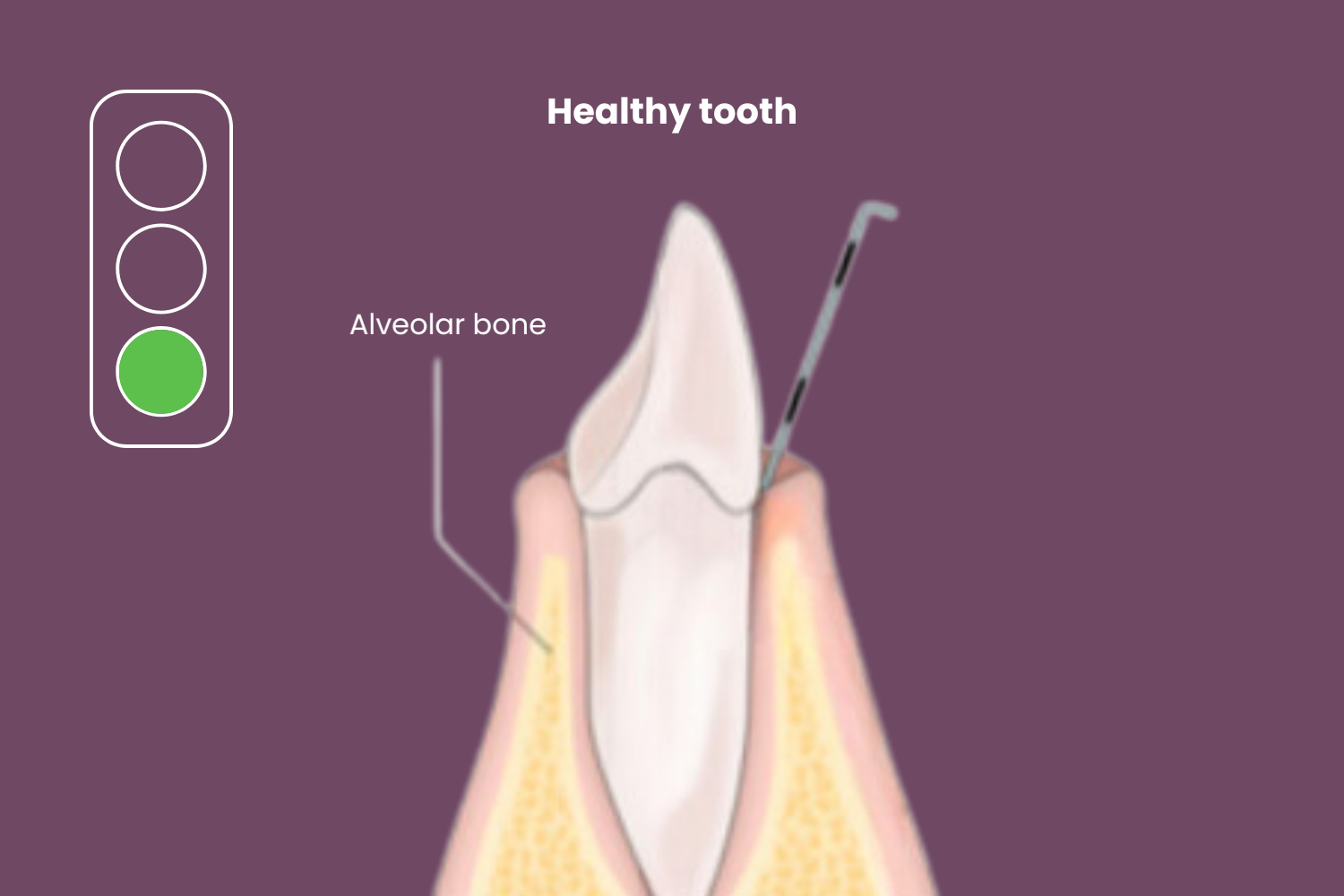
2. PERIODONTAL HEALTH AND LOW ORAL FITNESS SCORE
- CLINICAL OBSERVATIONS: This scenario represents the ideal balance between good immunity and patient home care. (Note: this could easily change if the patient’s immune health is disrupted.)
- RECOMMENDATION: Continue with the existing management protocol and regular Oral Fitness testing to detect changes at the earliest stage.
- PATIENT SCRIPTING: “Your dental health is excellent, and your Oral Fitness Score is in a normal healthy range. We will continue to test to be sure you are doing well, as the body is always in a state of flux, and our resistance could change at any time. We want to catch any potential change early before any damage occurs. So, continued testing is important.”
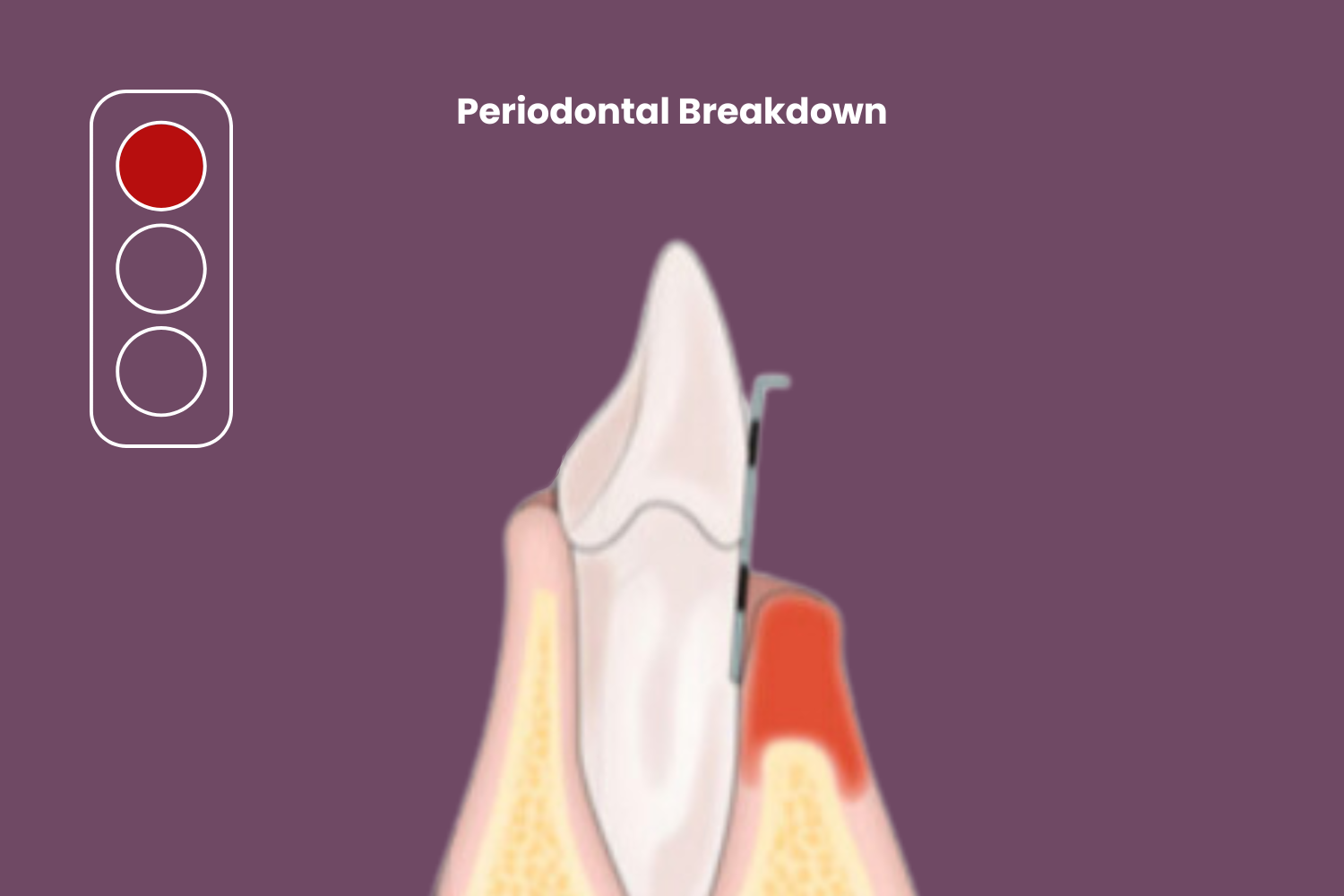
3. PERIODONTAL DISEASE WITH HIGH ORAL FITNESS SCORE
- CLINICAL OBSERVATIONS: Patients present with evidence of previous destruction (pocketing, radiographic bone loss, etc.) plus a high Oral Fitness Score indicating ongoing and perhaps rapid breakdown. In this scenario, the clinical findings and Oral Fitness Score match. These patients are at the highest risk for further breakdown, which could be rapid based on the Oral Fitness Score. However, since periodontal breakdown is usually asymptomatic, patients can often turn down or postpone treatment because they lack viable proof or indication of the disease process. They must take our word for it. The Oral Fitness Score provides an excellent communication tool, making their disease process visible and thus enhancing case acceptance.
- RECOMMENDATION: We need to recommend appropriate treatment based on a clinical examination. Additionally, we need to recommend ongoing testing and a shortened recall frequency to prevent relapse, especially when observing the patient’s immune resistance status.
- PATIENT SCRIPTING: “Based on our clinical examination and supported by your Oral Fitness results, we are recommending periodontal treatment. These observations put you in a high-risk category for losing more support and maintaining your teeth. Our treatment goal is to treat the diseased areas and create a situation where you can properly and fully clean all surfaces of your dentition. This is critical for the long-term maintenance of your teeth. After treatment, frequent Oral Fitness retesting will let you know how well you maintain your oral tissues. In addition, we suggest a more frequent prophylaxis schedule so we can help you maintain your dentition.”
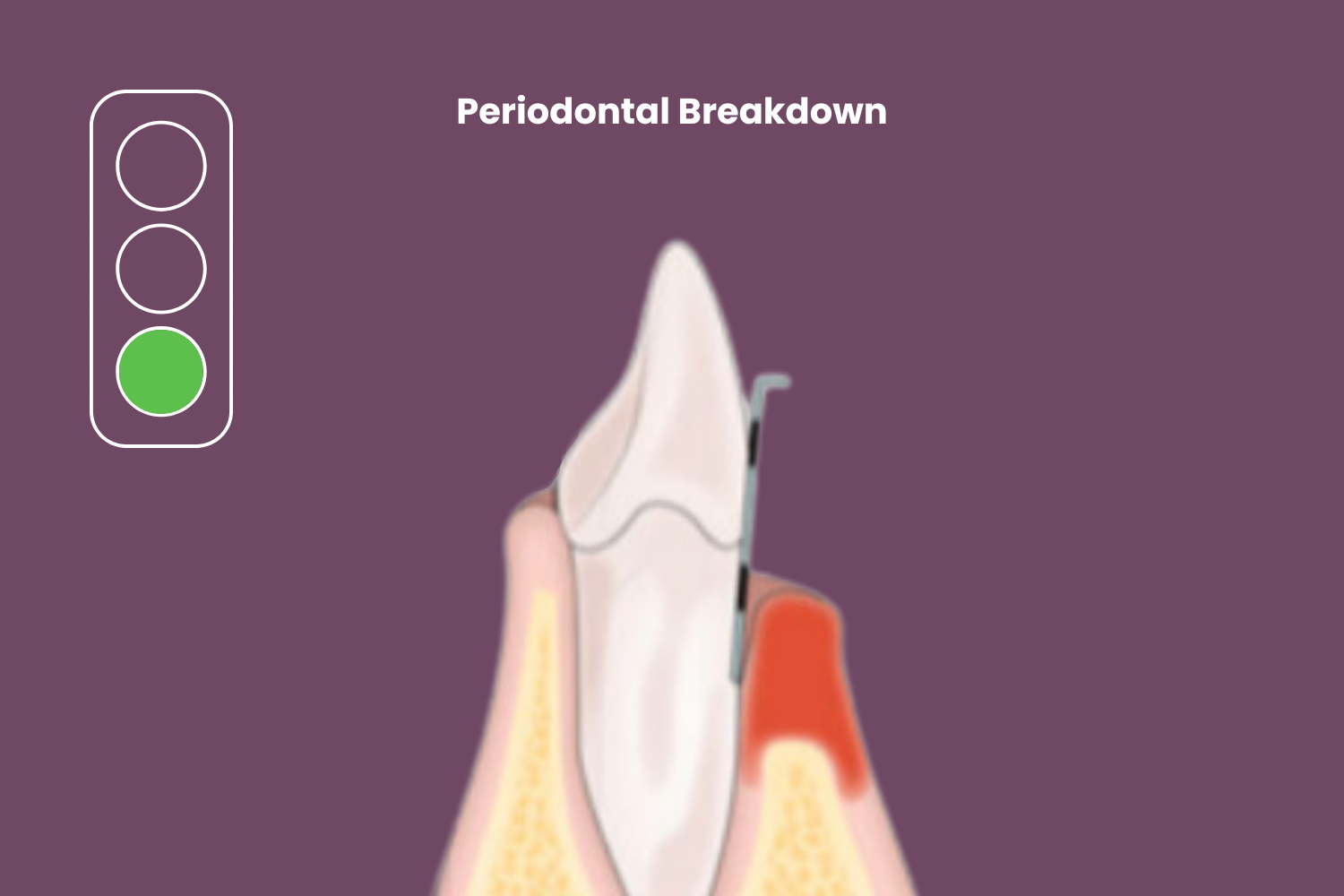
4. PERIODONTAL DISEASE WITH A LOW ORAL FITNESS SCORE
-
CLINICAL OBSERVATIONS: This scenario can confuse us dental professionals the most. The clinical presentation and the Oral Fitness Score are not coincidental. This confounding situation may not make sense at first. However, considering more recent research and findings, we must rethink our understanding of periodontal disease. Periodontal disease follows the “relapse-remission” model like many other chronic diseases (Cardiovascular Disease, Rheumatoid Arthritis, Chronic Bowel Disease, etc.), meaning it does not progress linearly. This episodic fluctuation is generally based on the patient’s immune health. Of course, immune resistance can fluctuate based on things like stress, diet, health conditions, etc. The Oral Fitness Score reflects on the patient’s immune function because it indicates collagen breakdown in real-time.
In this case, since the Oral Fitness Score is low, the immune system functions well today. The bone loss and pocketing are remnants of previous destruction. Since the disease is in a non-active phase, as the low Oral Fitness Score indicates, we may expect a positive response to our therapy.
- RECOMMENDATION: Based on our clinical examination, conventional periodontal therapy is indicated here for pocket reduction or elimination. Frequent post-treatment recare and regular Oral Fitness Testing are recommended since the patient is susceptible to periodontal breakdown.
- PATIENT SCRIPTING: “Based on our clinical examination, you have a generalized breakdown of the structures supporting your teeth and will require periodontal therapy for correction. The good news is that your Oral Fitness Score is low, so your resistance is strong right now. Therefore, we can expect an excellent response to our treatment. After treatment, we will repeat your Oral Fitness test frequently to check your resistance and your care at home and see you every three months for a prophylaxis. That way, we will have the best chance of maintaining your teeth for life, including your care at home.”